


Classroom Storage Buying Guide: How to Choose the Right Storage for Your Classroom

Classroom storage does more than keep toys, books, and supplies off the floor. The right storage can make a classroom easier to manage, encourage children to become more independent, and help teachers create a safer and more organized learning environment.
But with so many options available, choosing the right classroom storage can be overwhelming.
Should you choose open shelving or cabinets with doors? How tall should classroom storage be? What materials hold up best to years of daily use? And what safety features should you look for?
We've put together a comprehensive guide to help you answer those questions.
What Should You Consider When Buying Classroom Storage?
Before purchasing storage for a preschool, Pre K classroom, daycare, church nursery, or other early childhood environment, there are several important factors to consider.
1. Storage Type
Different storage styles serve different purposes.
Open shelving works well for books, toys, manipulatives, and other materials children use every day. Closed cabinets are better suited for teacher supplies, cleaning products, extra materials, and items that should remain out of children's reach.
Many classrooms benefit from using a combination of both.
2. Storage Size
Storage should fit both your classroom and the children using it.
Low storage can encourage independence by keeping everyday learning materials within reach. Taller cabinets can provide valuable additional capacity for teacher supplies, seasonal materials, curriculum resources, and other items that don't need to be accessible to children.
3. Materials & Construction
Not all classroom furniture is constructed the same way.
Commercial classroom storage is designed to withstand the demands of daily educational use. Materials such as Baltic birch plywood and quality laminates can provide the durability needed for busy classrooms while remaining easy to clean and maintain.
4. Safety
Safety should always be part of the buying decision.
When comparing classroom storage, look for features such as:
- Rounded edges and corners
- Stable construction
- Tip resistance and anchoring options
- Durable commercial hardware
- Easy to clean surfaces
- GREENGUARD Gold Certification when available
- CARB Phase 2 compliant materials when applicable
5. Organization
The best storage system is one that makes organization easier.
Grouping materials by learning center, labeling bins and shelves, keeping frequently used materials accessible, and rotating supplies throughout the year can help classrooms stay organized without becoming overcrowded.
Don't Just Buy More Storage
More storage isn't always the answer.
The goal is to create a storage system where every item has a purpose and a designated place.
A well planned classroom might use low open shelving for learning centers, closed cabinets for teacher supplies, cubbies for student belongings, and mobile storage for activities that change throughout the day.
The result is a classroom that works better for both teachers and children.
Download the Complete Classroom Storage Buying Guide
Want to take a deeper look at choosing classroom storage?
We've created The Complete Classroom Storage Buying Guide to help childcare directors, preschool administrators, teachers, and school decision makers make informed purchasing decisions.
Inside the guide, you'll learn about:
✓ The benefits of organized classroom storage
✓ Different types of classroom storage
✓ Open shelving vs. closed cabinets
✓ Choosing the right storage size
✓ Materials and construction
✓ Important safety features
✓ Classroom organization strategies
✓ Cleaning and maintenance
✓ Common storage buying mistakes
✓ Frequently asked questions
Download the free guide and use it as a resource when planning your next classroom furniture purchase.
![]() [DOWNLOAD THE COMPLETE CLASSROOM STORAGE BUYING GUIDE]
[DOWNLOAD THE COMPLETE CLASSROOM STORAGE BUYING GUIDE]
Whether you're furnishing one classroom or an entire childcare center, taking the time to choose the right storage can make a significant difference in how your space functions every day.
How to Create Different Learning Zones in One Classroom
Design a Preschool Classroom That Encourages Learning, Independence, and Organization
Walk into any well-designed preschool classroom, and you'll notice something immediately: everything has a purpose.
Instead of one large open room filled with furniture, successful early childhood classrooms are divided into learning zones. Each area supports a different type of play, learning, or development while helping children understand expectations and move independently throughout the day.
Whether you're opening a new childcare center, remodeling an existing classroom, or simply looking for ways to improve your layout, creating intentional learning centers can dramatically improve both student engagement and classroom management.
Why Learning Zones Matter
Young children thrive in predictable environments.
Designated learning areas help children:
-
Build independence
-
Improve focus
-
Reduce classroom distractions
-
Encourage cooperative play
-
Make transitions easier
-
Promote responsibility for cleaning up
Research in early childhood education consistently shows that well-organized classrooms encourage longer periods of meaningful play and exploration.
1. Reading Corner
Every classroom should have a quiet place where children can relax with books.
A reading area should feel calm and inviting.
Include:
-
Comfortable seating
-
Good lighting
Keep books facing outward instead of spine-out whenever possible. Young children often choose books based on the cover.
Furniture Tip: Use low bookshelves so children can access books independently without adult assistance.
2. Dramatic Play Center
Pretend play develops:
-
Language skills
-
Social skills
-
Problem solving
-
Creativity
-
Emotional development
Popular dramatic play themes include:
-
Grocery store
-
Doctor's office
-
Construction site
-
Post office
-
Camping
Rotating themes every month keeps children engaged while using the same core furniture.
3. Art and Creativity Area
Children need a space where it's okay to get messy.
An art center encourages:
-
Fine motor development
-
Creativity
-
Self-expression
-
Early writing skills
Include:
-
Drying rack
-
Paint storage
-
Washable flooring nearby
Store supplies in clearly labeled bins so children can help clean up independently.
4. STEM and Discovery Zone
Hands-on exploration builds curiosity.
This area might include:
-
Magnets
-
Nature collections
-
Building blocks
-
Magnifying glasses
-
Counting manipulatives
-
Light tables
-
Balance scales
-
Sorting activities
Rotate materials weekly to maintain excitement.
5. Block and Construction Area
Blocks teach much more than building.
Children practice:
-
Engineering
-
Spatial awareness
-
Teamwork
-
Math concepts
-
Persistence
Locate this area away from quiet spaces like reading centers.
Provide:
-
Open shelving
-
Large floor space
-
Variety of block sizes
-
Construction vehicles
-
People and animal figures
Store blocks by shape to encourage sorting skills.
6. Sensory Play Station
Sensory experiences strengthen cognitive development while helping children regulate emotions.
Popular fillers include:
-
Water
-
Rice
-
Beans
-
Sand
-
Kinetic sand
-
Shredded paper
-
Pom poms
Keep towels and cleaning supplies nearby to simplify cleanup.
7. Writing and Literacy Center
This area helps prepare children for kindergarten readiness.
Include:
-
Alphabet activities
-
Name writing practice
-
Dry erase boards
-
Magnetic letters
-
Clipboards
-
Journals
-
Pencil grips
Offer a variety of writing tools to build hand strength.
8. Math and Manipulative Center
Fine motor manipulatives help develop early math concepts.
Examples include:
-
Counting bears
-
Pattern blocks
-
Linking cubes
-
Peg boards
-
Shape sorters
-
Number puzzles
Organize materials in clear containers with picture labels for easy identification.
9. Quiet Corner or Calm Down Space
A calm down area isn't a timeout space.
Instead, it gives children an opportunity to:
-
Regulate emotions
-
Practice breathing
-
Reduce overstimulation
-
Return to learning when ready
Consider adding:
-
Soft seating
-
Emotion posters
-
Sensory tools
-
Stuffed animals
-
Noise-reducing headphones
-
Fidget items
This space should remain peaceful and separate from high-energy learning centers.
Using Furniture to Define Learning Zones
You don't always need walls to separate classroom spaces.
Low storage cabinets, bookshelves, and mobile shelving units naturally create boundaries while keeping the room open and easy to supervise.
Benefits include:
-
Better classroom organization
-
Additional storage
-
Improved visibility
-
Easier traffic flow
-
Flexible classroom layouts
Furniture that serves multiple purposes maximizes valuable classroom square footage.
Tips for Arranging Learning Centers
Keep Noisy Activities Together
Place dramatic play, blocks, and music areas near one another.
Separate them from:
-
Reading
-
Writing
-
Quiet spaces
This reduces distractions.
Leave Plenty of Walking Space
Avoid creating bottlenecks.
Children should move comfortably between centers without crossing through another activity.
Store Materials at Child Height
When children can reach supplies independently, they become more responsible for setup and cleanup.
This supports Montessori-inspired and child-led learning practices.
Rotate Materials
Changing activities every few weeks keeps learning fresh without requiring additional classroom furniture.
Simple rotations increase engagement and reduce boredom.
Make Everything Visible
Use open shelving whenever possible.
Children are more likely to use materials they can see.
Visible storage also encourages independent decision-making.
Common Classroom Layout Mistakes
Avoid these common issues:
-
Overcrowding the room with furniture
-
Blocking sightlines for teachers
-
Creating dead-end walkways
-
Mixing quiet and noisy activities
-
Using furniture that is too tall
-
Storing materials where children cannot reach them
A classroom should feel open, organized, and welcoming rather than crowded.
Planning Your Classroom Before Buying Furniture
Before purchasing furniture, consider:
-
Classroom dimensions
-
Student capacity
-
Age group
-
Licensing requirements
-
ADA accessibility
-
Future enrollment growth
-
Storage needs
Starting with a classroom floor plan often prevents costly layout mistakes later.
Final Thoughts
An effective preschool classroom is more than a collection of tables and chairs. It's a thoughtfully designed learning environment where every space has a purpose.
By creating dedicated learning zones for reading, art, STEM, dramatic play, sensory exploration, math, literacy, and quiet reflection, you'll foster independence, improve classroom management, and support every stage of early childhood development.
Whether you're furnishing a brand-new childcare center or refreshing an existing classroom, choosing flexible, child-friendly furniture and organizing it into intentional learning centers can transform the way children learn and teachers teach.
Frequently Asked Questions
How many learning centers should a preschool classroom have?
Most preschool classrooms include 6 to 10 learning centers, depending on room size and student enrollment.
What is the most important learning center?
A reading area, dramatic play center, and block area are considered foundational because they support language, social-emotional development, creativity, and problem-solving.
How much space should each learning center have?
Each center should comfortably accommodate 3 to 6 children while leaving clear walkways for safe movement throughout the classroom.
What furniture works best for separating learning zones?
Low storage cabinets, open bookshelves, cubbies, and mobile shelving units create natural boundaries without blocking teacher visibility.
The Most Durable Childcare Furniture for Active Kids
If there's one thing every childcare director knows, it's that kids are tough on furniture.
From climbing and pulling to spills and constant movement, classrooms need furniture built specifically for active learners. Investing in durable, commercial grade furniture can save your center money while creating a safer, more organized learning environment.
Not all furniture is created equal. While lower cost residential furniture may seem like a budget friendly option upfront, it often needs to be replaced much sooner in busy childcare settings. Choosing furniture designed for educational environments helps maximize your investment and reduce long term replacement costs.
Here are a few smart investments that stand up to daily use:
Kids' Station Birch Storage Cabinets: Built with durable Baltic Birch construction and designed for busy classrooms that need dependable organization. Organized spaces also help children build independence and responsibility.
Kids' Station Outdoor Products: Made from weather resistant materials that can withstand sun, rain, and years of active outdoor play. Outdoor learning spaces encourage creativity, exploration, and gross motor development.
Commercial Preschool Tables: Reinforced designs support everything from art projects and STEM activities to snack time and group learning.
Soft Play Equipment: Durable foam construction encourages movement, coordination, balance, and active learning while giving children a safe place to explore.
When shopping for childcare furniture, look for these key features:
• Commercial grade materials
• Rounded safety edges
• Easy to clean surfaces
• Moisture resistant construction
• Long term durability
When choosing a furniture vendor, partnering with a company that understands the childcare industry can make all the difference. Factory Select has been serving childcare centers, preschools, churches, and educational programs since 2006 by offering commercial grade furniture designed specifically for early learning environments. From exclusive Kids' Station Birch Storage and Kids' Station Outdoor products to trusted brands like Jonti-Craft, Angeles, The Children's Factory, and Foundations, Factory Select provides solutions that are built to withstand years of daily use. With a wide selection of classroom furniture, storage, soft play, and outdoor learning products, centers can create durable, engaging spaces while working with a knowledgeable team that understands the unique needs of childcare programs.
The right furniture isn't just an expense. It's an investment in your classroom, your teachers, and the children you serve every day. Quality furniture creates learning environments that can grow with your center and continue supporting students for years to come.

Choosing the Right Classroom Seating: Metal Leg Chairs vs. Plastic Chairs
When furnishing a classroom, childcare center, or preschool, seating is one of the most important decisions you'll make. The right chair can improve comfort, support proper posture, and withstand years of daily use. Two popular options are metal leg chairs and plastic chairs like the Angeles® BaseLine® collection and Jonti Craft® Berries Chair. But which one is right for your classroom?
Metal Leg Chairs: Built for Everyday Use
Metal leg chairs have been a classroom staple for decades. Products like the Jonti Craft® Berries Chair with Chrome-Plated Legs and other metal frame classroom chairs offer a combination of comfort, durability, and versatility.
The steel leg construction provides exceptional strength, making these chairs an excellent choice for busy classrooms where furniture is constantly being moved, stacked, and rearranged.
Benefits of Metal Leg Chairs
Long-Term Durability
Metal leg chairs are designed to handle years of daily classroom use. Their sturdy frames resist wear and tear, making them a popular choice for childcare centers looking to maximize their furniture investment.
Easy to Stack and Store
Many metal frame chairs are stackable, allowing teachers to quickly clear floor space for activities, cleaning, or special events.
Great for Older Preschool and Elementary Classrooms
Because of their strength and stability, metal leg chairs are often used in Pre-K, kindergarten, and elementary learning environments.
Classic Classroom Appearance
Metal leg chairs provide the traditional classroom look many directors and teachers prefer.
Plastic Chairs: Designed for Early Learners
For toddler and preschool classrooms, Angeles® BaseLine® chairs offer a lightweight alternative. These molded plastic chairs are specifically designed with young children in mind.
Unlike traditional classroom chairs, Angeles® BaseLine® seating features rounded edges, smooth surfaces, and lightweight construction that makes them easy for children to move independently.
Benefits of Plastic Chairs
Child-Friendly Design
The one-piece molded construction eliminates sharp corners and exposed hardware, helping create a safer classroom environment.
Lightweight and Easy to Move
Young children can easily reposition their own chairs during activities, helping encourage independence and classroom participation.
Simple Cleaning and Maintenance
Spills, paint, glue, and everyday messes wipe clean quickly from plastic surfaces, making cleanup easier for teachers.
Bright, Welcoming Classroom Colors
plastic chairs are available in a variety of colors that help create an engaging and inviting learning environment.
Which Seating Option Should You Choose?
Choose Jonti Craft® Berries Chair if:
-
Durability is your top priority.
-
You need furniture that will withstand years of heavy use.
-
Chairs will be stacked frequently.
-
You serve older preschool or elementary-aged children.
Choose Angeles® BaseLine® chairs if:
-
You primarily serve toddlers or younger preschoolers.
-
Lightweight seating is important.
-
Easy cleaning is a priority.
-
You want child-friendly seating designed specifically for early learning environments.
Many Centers Use Both
Interestingly, many childcare centers don't choose one or the other. Instead, they use BaseLine® chairs in toddler classrooms and Jonti Craft® Berries Chair in older preschool and Pre-K rooms.
This approach allows directors to match seating to the developmental needs of each age group while maintaining consistency throughout the center.
Final Thoughts
There is no one-size-fits-all answer when it comes to classroom seating. Both Jonti Craft® Berries Chairs and Angeles® BaseLine® chairs offer unique advantages. The best choice depends on your students, classroom layout, and daily routines.
By selecting seating that matches your classroom's needs today, you'll create a more comfortable learning environment while getting the most value from your furniture investment for years to come

Why Carpets Belong in Every Childcare Classroom
Most people don't think twice about what's on the floor of a classroom. But in early childhood education, the floor is the classroom.
Young children spend the majority of their day on the floor reading, building, playing, and learning side by side with their peers. The surface beneath them matters more than most people realize.
Here's why carpets are one of the most underrated tools in childcare classroom design:
Carpets create a sense of safety and comfort. Hard floors feel cold and commercial. A quality carpet instantly warms a space. It gives children a soft, inviting surface where they feel secure enough to explore, take risks, and learn. For smaller group areas or reading corners, a well-placed 6' round rug, like the KIDSoft Tranquil Trees 6ft Round Rug, creates a calm, defined gathering spot that children naturally gravitate toward.
Carpets organize the classroom without a word. A well-placed rug defines a circle time area, a reading nook, or a quiet zone. Carpets give children visual cues that help them understand routines and expectations throughout the day. Semi-circle and large rectangle options work especially well for whole-class instruction and group transitions.
Carpets reduce noise and overstimulation. Childcare classrooms get loud. Carpets absorb sound naturally, creating a calmer environment that benefits both children and teachers. Less chaos, more focus.
Carpets become learning tools. Educational rugs featuring letters, numbers, shapes, and maps turn floor space into an interactive experience. The Alpha Rug 6' Round is a great example. It offers a fun, colorful design that reinforces letter recognition every single day just by being on the floor. Children engage with these visuals constantly during play, reinforcing concepts without it feeling like instruction.
Carpets spark imagination. Themed rugs go beyond education. They invite storytelling and creative play. Something like the Explore the Ocean 6ft Round Rug can serve as a launchpad for an entire unit on sea life, or simply as a cozy spot where kids feel like they're somewhere magical.
Carpets support social and emotional development. Carpeted gathering spaces become the heart of the classroom. These are the areas where children come together, build relationships, and develop the social skills that matter most in those early years.
Carpets make a lasting first impression. Parents notice when a classroom feels warm, organized, and welcoming. A thoughtfully chosen carpet contributes to that feeling from the moment they walk through the door.
When selecting carpets for childcare environments, look for options that are durable, easy to clean, slip-resistant, and designed specifically for educational settings. It's a long-term investment that pays off in both function and feel.
👉 We carry a full collection of classroom carpets from small accent rugs to large group sizes at Factory Select. Dozens of designs, sizes, and shapes to fit any classroom layout or theme.
The best classrooms don't happen by accident. They're designed with intention, right down to what's on the floor.

Why Relationships Matter More Than Furniture in Childcare
A recent classroom install highlights a simple truth: in childcare, strong relationships matter just as much as the furniture.
Continue readingOur Latest Install Project
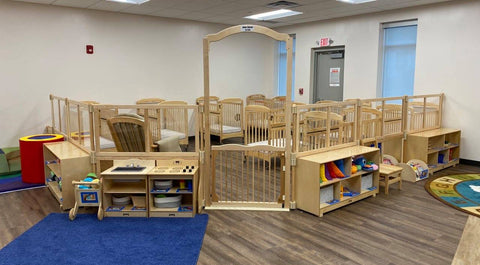
Check out a few photos from our latest furniture installation for a customer in Huntsville, Alabama. Our team handled everything—from assembling cribs to removing all packaging and debris—delivering a truly white glove experience from start to finish.
Continue readingIntroducing ActivBrite®

Introducing our newest product line! ActivBrite® products are made of #2 HDPE solid playground plastic that is ideal for outdoor use. HDPE plastic is safe and it is a commonly recycled plastic that can be recycled many times. ActivBrite® products are as equally comfortable inside as they are outside and will provide many years of service.


Check out our latest daycare and preschool furniture install!
Our latest furniture install pics from Urban Community School in Cleveland, OH. The Kidz Suite divider walls and lofts look great!


Check out our new Kids' Station Outdoor Videos and send us yours!
SIMPLE, DURABLE, AFFORDABLE, FUN!
- 1
- 2